
28.05.2026
Oslo CCS: Experiences for the Next Phase of Carbon Capture
A new report from Oslo CCS summarizes experiences gained during the first year of constructing the CO2 capture facility – covering everything from project management and regulatory processes to technical solutions and collaboration.
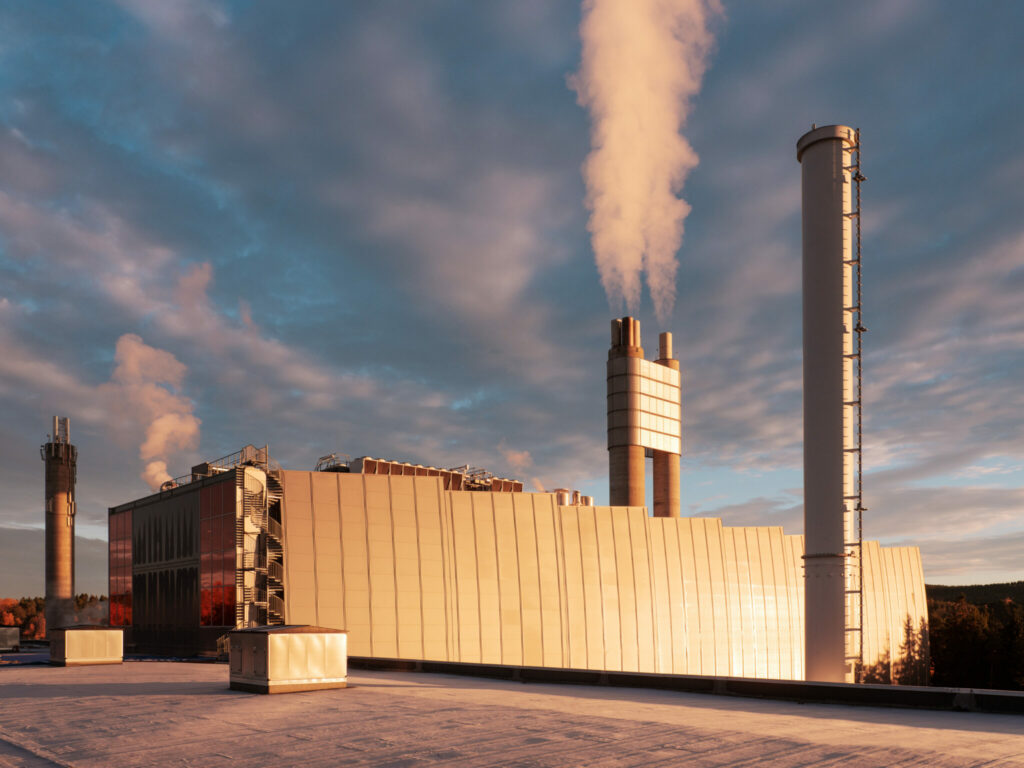
Hafslund Celsio (Oslo CCS) at Klemtesrud in Oslo.
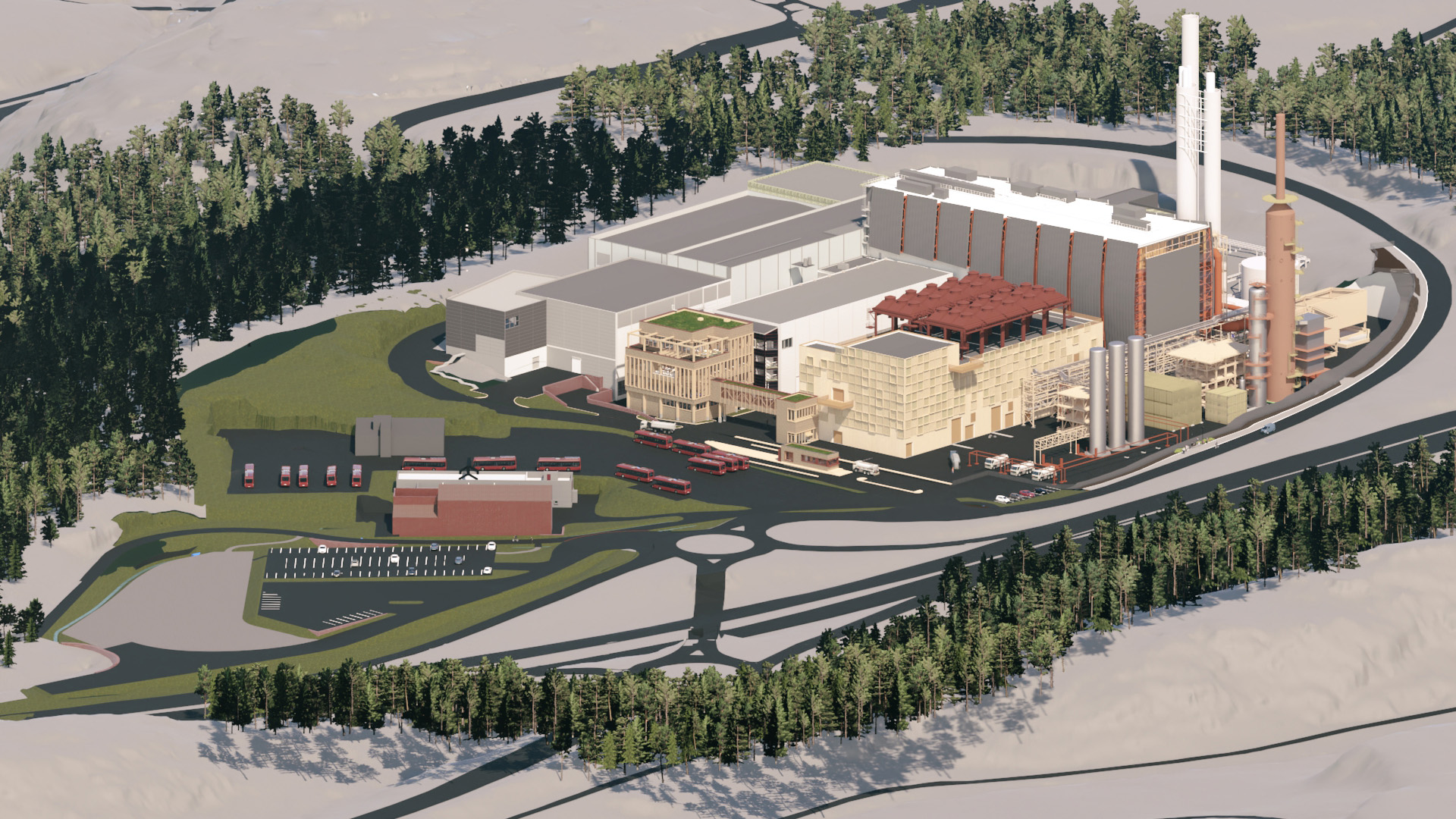
Oslo CCS is part of Longship. It will capture approximately 350,000 tonnes of CO2 annually from the waste-to-energy plant at Klemetsrud. This corresponds to around 90 percent of the facility’s emissions. The project is described as one of the world’s first full-scale carbon capture facilities at a waste-to-energy plant.
By the end of 2025, the main contracts had been awarded, groundworks had commenced. At this point round 70 percent of the procurement packages had been formally allocated. The new experience report summarizes the period from February to December 2025. This is the first year following the investment decision made in January same year.
Early-Phase Work Highlighted as Critical
A recurring theme throughout the report is the importance of early-phase work and quality in the FEED phase. The project points out that many key cost and design decisions are, in practice, determined before the construction phase begins. Opportunity for major cost reductions becomes more limited once the project moves into construction and detailed engineering.
Oslo CCS therefore emphasizes the importance of allowing sufficient time in the FEED phase. This include early standardization of solutions, clear contract strategies, and early involvement of operations and maintenance teams. The project highlights several measures aimed at reducing complexity. This includes the use of standard products, more compact plant solutions, and increased prefabrication.
Regulatory Processes Required Extensive Coordination
The report describes regulatory processes as a central part of project execution. Several permits and approvals had to be managed in parallel. The project notes that processes were closely interconnected and required significant resources and coordination.
Among the key lessons highlighted are the importance of early dialogue with authorities. This implied close follow-up of application processes, and access to specialized expertise in technical safety and risk analysis.
The report specifically refers to work related to the DSB application. This include various exemptions linked to zoning regulations and building height restrictions at Klemetsrud.
Close interaction with the Brevik CCS and Northern Lights projects in Øygarden
Knowledge Transfer from Brevik and Northern Lights
Oslo CCS describes knowledge transfer as an important element of the project. In particular, the report highlights close interaction with the Brevik CCS and Northern Lights projects in Øygarden. The project team conducted site visits, meetings, and follow-up of technical solutions. All based on experiences from these facilities. Individuals with experience from other CCS projects have been involved both on the owner’s side and among the main contractors. This contributed to the early identification of challenges related to design maturity, interface management, construction, and execution strategy.
Risk Management and Collaboration at the Core
By the end of 2025, the project had identified and was actively managing around 150 risks. The report describes how the project established regular risk workshops. In addition, systematic follow-up of risk owners, and integration between risk, cost, and schedule management.
Also collaboration between Hafslund Celsio, contractors, and authorities is highlighted as important for progress. The EPCIC contract with the Joint Venture between Aker Solutions and SLB Capturi supported openness and cost awareness throughout the project.
Oslo CCS also notes that collaboration between different organizations required the gradual establishment of common routines, systems, and work processes during project execution. Finally, the report concludes that the experiences from Oslo CCS may be relevant for future large-scale CCS projects. Particularly projects that are to be integrated into existing industrial facilities or urban environments.