
05.06.2026
Oslo CCS: Standardization and Early Decisions Had Major Impact
Oslo CCS used the first year of constructing the CO2 capture facility to focus on standardization, design simplification, and contract strategy.
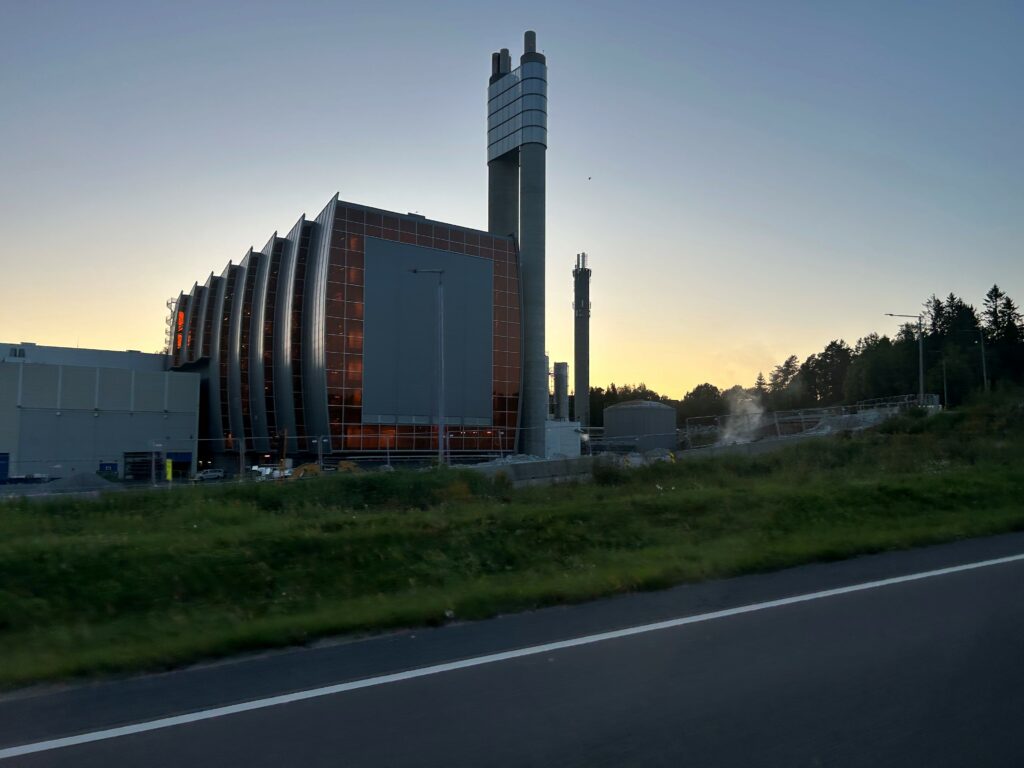
Oslo CCS at Klemetsrud in Oslo
During 2025, Oslo CCS worked on several measures aimed at optimizing design and reducing complexity in the project. The report describes how the project evaluated alternative solutions for tanks, piping systems, technical buildings, and electrical installations.
At the terminal area in the Port of Oslo, tank capacity was optimized and several structural solutions were simplified. The project also highlights the use of standardized supplier products and increased prefabrication as important measures.
According to the report, early dialogue with suppliers helped identify solutions that could reduce both engineering work and construction costs. These experiences build further on what the project has previously highlighted regarding the importance of early-phase work and FEED quality, in the execution of large-scale CCS projects.
Experiences with Established Industry Standards
The report highlights the use of established oil and gas standards in an onshore CCS project. The project points out that standards provide robust and proven solutions, but may also lead to extensive documentation requirements and high specification levels.
It is important to assess which requirements are necessary, and which can be better adapted to onshore facilities. This is highlighted as particularly relevant during the FEED phase, before contracts are awarded and technical solutions are finalized.
At the same time, the project describes how several design decisions and standardization measures were used to reduce complexity and improve project executability.
Contract Model Highlighted
Oslo CCS also describes its experiences with the contract strategy selected for the project. The main contract was awarded to a joint venture between Aker Solutions and SLB Capturi through an EPCIC model with a target price structure and so-called “pain/gain” mechanisms.
The report states that the model contributed to collaborative cost control. It provided the parties with shared incentives related to project execution.
At the same time, the need to establish common work processes, reporting routines, and management systems across the organizations is emphasized. The project also highlights the importance of clearly defined roles and responsibilities between the project owner and contractors.
Risk Management Followed the Project Throughout the Year
Risk management is a central in the project’s experience report. Oslo CCS describes how the project established regular risk workshops, and integrated risk follow-up into ongoing project management.
The report shows that risk management has been an integrated part of the project since the start of the construction phase. Around 150 risks were identified and followed up during 2025. Among the factors considered particularly important were regulatory approvals, technical maturity, supplier deliveries, and coordination between contractors and the project owner.
According to the report, regular risk workshops, design reviews, and experience transfer from other CCS projects have been important tools for reducing uncertainty early in the project.
The need to establish common work processes, reporting routines, and management systems across the organizations is emphasized.
Experiences Will Be Shared Further
A key purpose of the report is to contribute to learning across the CCS sector. Oslo CCS describes how the project has drawn on experiences from projects such as Brevik CCS and Northern Lights – and how knowledge transfer has been integrated into the engineering and planning work.
The project describes the experiences as particularly relevant for large-scale CCS facilities that are to be integrated into existing industrial areas or urban environments – both in Norway and internationally.