
Brevik CCS shares lessons from construction and commissioning
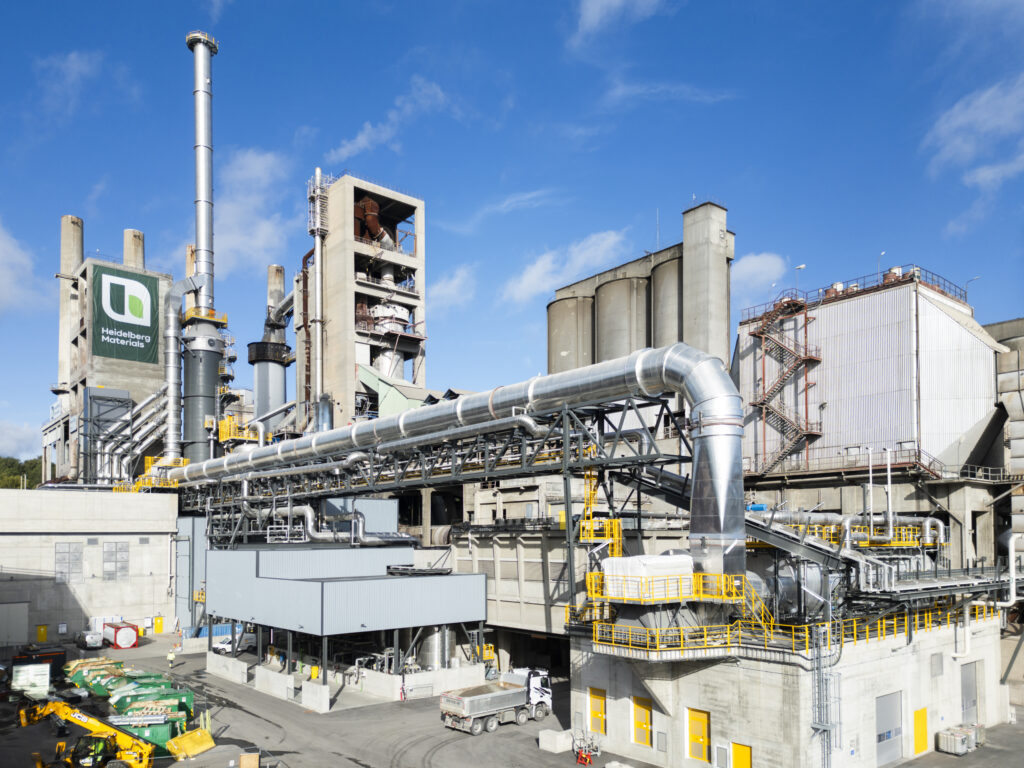
Heidelberg Materials has documented key lessons from the final construction and commissioning phases of Brevik CCS in 2024 and 2025. The report provides valuable insights for the planning and execution of future carbon capture and storage (CCS) projects.
The report covers January 2024 to May 2025, a significant period in the development of Brevik CCS. During this time, the project reached mechanical completion in December 2024 and achieved readiness for its first CO2 ship loading on 9 May 2025. The experiences documented during this period offer practical insights into the integration of carbon capture technology at existing industrial facilities.
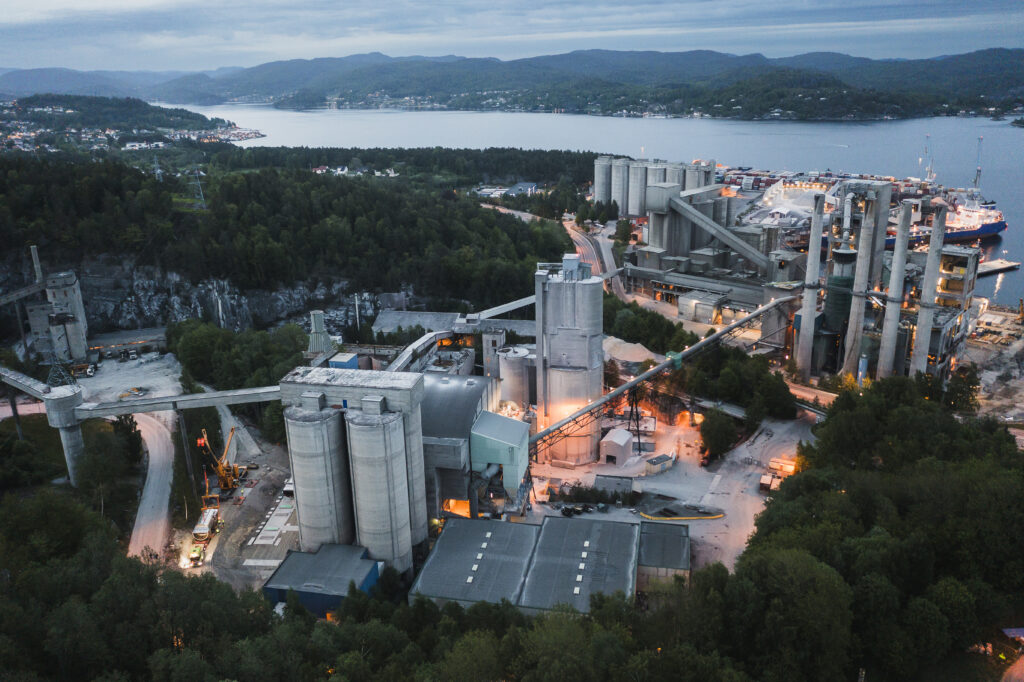
Brevik CCS.
Clear responsibilities and early planning
One of the main lessons concerns the importance of clearly defined roles, responsibilities and completion criteria. The report identifies challenges related to mechanical completion, coordination between contractors and the transition from construction to commissioning.
Early involvement of experienced personnel from the existing cement plant proved particularly valuable in facilitating integration and resolving operational challenges.
Operator training and technical integration
The report highlights the importance of operator training, including the use of an Operator Training Simulator (OTS) to prepare personnel for commissioning, start-up and operation. Other lessons concern technical documentation, instrument air quality, maintenance systems and the time required for CO2 ship loading operations.
Valuable experience for future CCS projects
The report also addresses cost management, environmental considerations and health and safety. Key recommendations include early planning of maintenance systems, regulatory documentation and access to specialist expertise.
By documenting experiences from the construction and commissioning phases, Heidelberg Materials contributes valuable knowledge to the wider CCS community. These lessons provide a practical foundation for improving planning, reducing risks and strengthening the execution of future industrial carbon capture projects.
The entire CCS value chain must be considered as one system
Experience from Knowledge Sharing 2026 shows that costs and risks in CCS projects often arise at the interfaces between capture, transport and storage. For new projects to succeed, the entire value chain needs to be planned and developed as one integrated system.
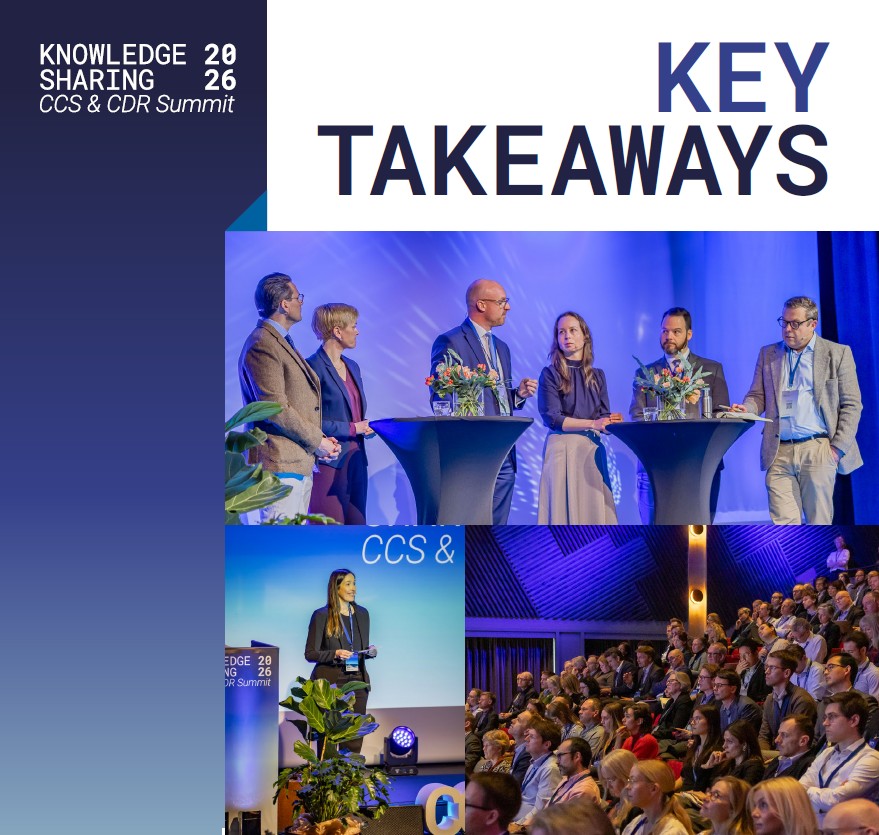
Knowledge Sharing 2026, CCS & CDR Summit
A clear lesson from Knowledge Sharing 2026, CCS & CDR Summit is that CCS should not be developed as a series of separate assets. Decisions related to capture, CO2 conditioning, transport and storage affect one another.
If assumptions are not aligned, consequences might propagate through the value chain, increasing costs and delays. The report highlights need for clear ownership of interfaces. Also strong coordination between actors from an early stage of project development.
Lessons from Longship
Experience from Longship features prominently in the report. The project was established to demonstrate full-chain CCS at large scale while generating knowledge that can reduce cost and risk in future projects.
The development of Longship has also provided experience in managing responsibilities and interfaces between several independent actors.
Gassnova has acted as project integrator in Longship, while the industrial partners have retained responsibility for executing their respective projects. The integrator role has included facilitating a common design basis, coordinating schedules and decision gates, and structuring requirements and cooperation on experience sharing.
Experience from Brevik CCS and Oslo CCS also demonstrates the challenges involved in integrating CO2 capture into existing industrial facilities. Limited space, complex interfaces with existing processes, energy integration and the need to maintain continued operations can increase execution risk.
Maturity before execution
Another important lesson is the need for sufficient project maturity before entering the execution phase.
The report highlights high FEED maturity and strict control of scope and changes as important prerequisites for protecting cost, schedule and commissioning performance.
Operational readiness should also be established early. Experience shows that many technical and schedule challenges may materialise late – when capture, transport and storage systems are tested together and handed over to operations.
Experience gained through Longship provides concrete knowledge about where risks arise in a full CCS value chain, and how future projects can manage them more effectively.
Brevik CCS shares lessons from Start-up and Operations
Heidelberg Materials has published a new report from Brevik CCS. It summarizes experiences from the second half of 2025 and the first half of 2026. Focus is on start-up, operations and integration with the cement plant.
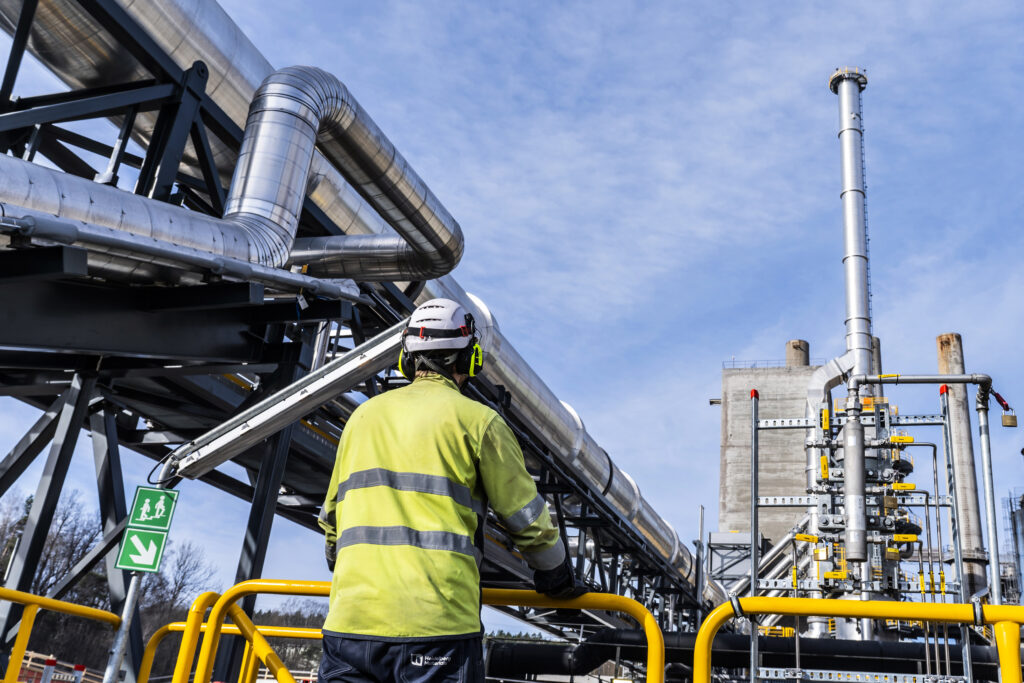
Operator at Brevik CCS
The report covers final stages of commissioning, performance testing and the first months of commercial operations. The facility successfully completed its acceptance test in November 2025. Since then, it has been operating as an integral part of the cement plant in Brevik.
Lessons from Brevik CCS demonstrate that full-scale CO2 capture from cement production is technically feasible. It highlights the importance of effective integration with existing industrial facilities, early establishment of the operations organization and comprehensive operator training.
Heidelberg Materials also documents technical challenges and solutions relating to heat recovery, compressed air systems, maintenance and safety, among other areas. These lessons will help reduce costs and risks in future CO2 capture projects.
Potential for cost reductions in the CCS value chain (Free Download)
The report is based on Gassnova´s extensive dialogue with industry stakeholders and experience from the development of the Longship project.
It presents an analysis of how the CCS value chain become more cost-effective and efficient in the future.
You have free access to our CCS knowledge base
Gassnova provides a comprehensive collection of reports and documents related to Longship and CO2 management.
Explore CCS knowledge we and our partners have developed since 2012. Feel free to download our resources. You can also sign up for our newsletter, published six times a year.
Key insights from Northern Lights
Northern Lights final report summarizes key areas from the establishment period.
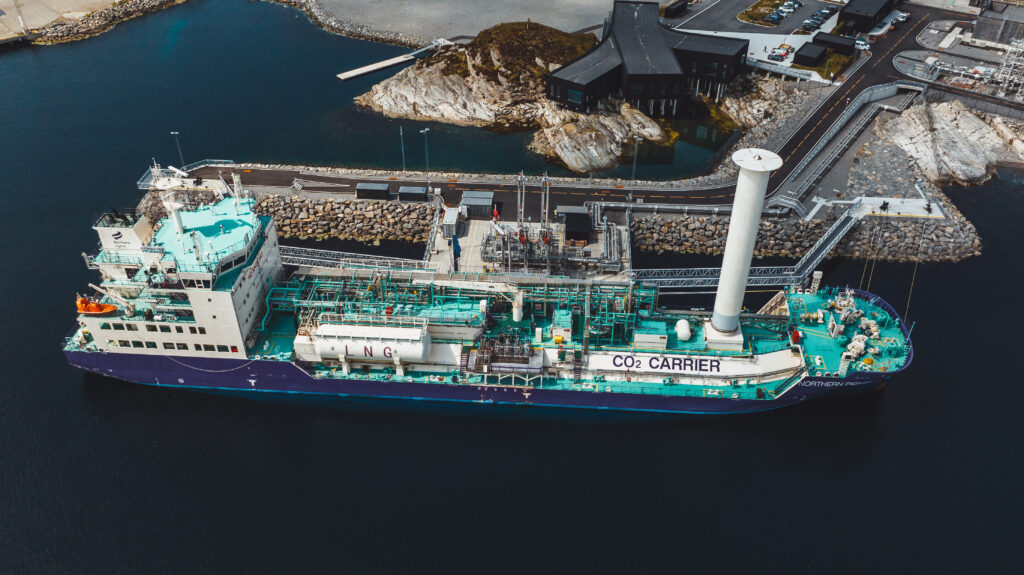
The report highlights five key areas of learning related to safe operations, collaboration across the CCS value chain, knowledge sharing and technical development. These lessons provide an important foundation for phase two and the further development of CCS.
Northern Lights report documents the establishment period
A new report from Northern Lights presents results achieved during the project’s establishment period, from 2021 to 2025.
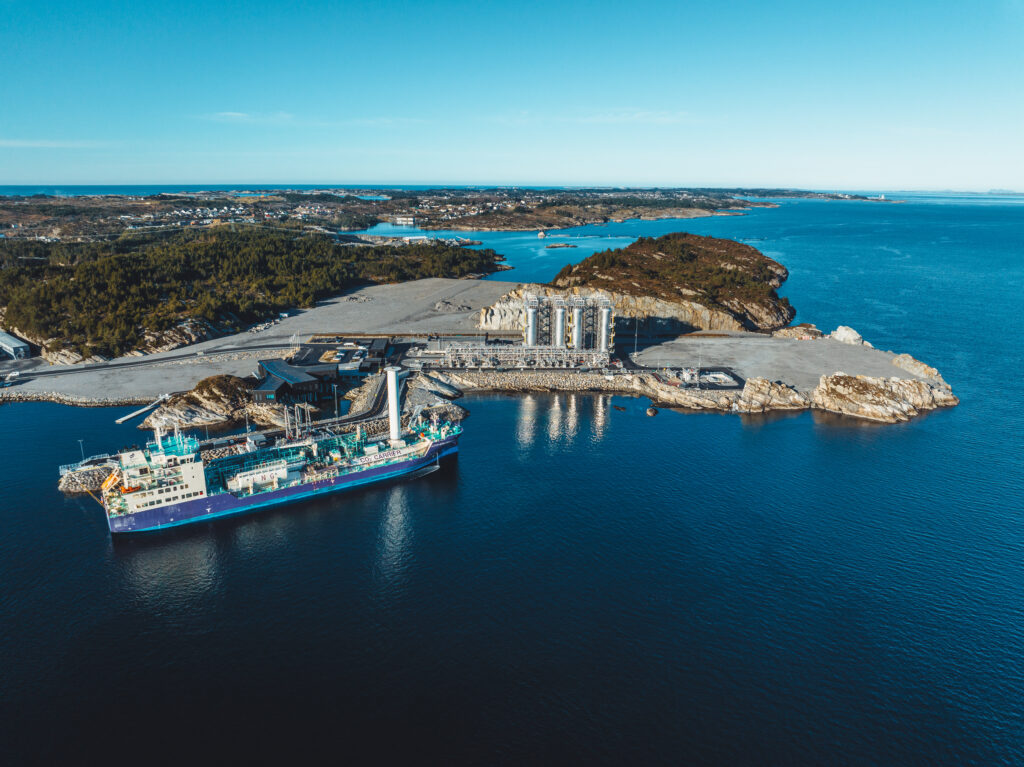
The report describes how Northern Lights has contributed to the Norwegian Government’s goals for carbon capture and storage, by moving from construction to operation, demonstrating safe CO2 transport and storage, and supporting regulatory development, cost reduction and knowledge sharing.
Oslo CCS: Standardization and Early Decisions Had Major Impact
Oslo CCS used the first year of constructing the CO2 capture facility to focus on standardization, design simplification, and contract strategy.
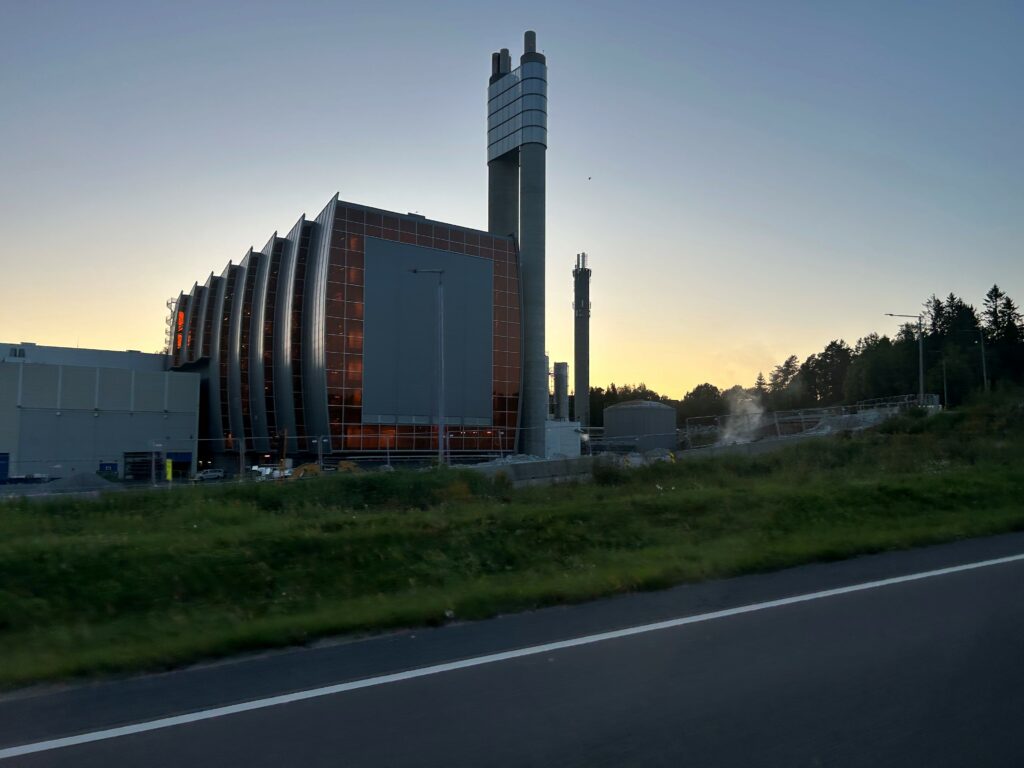
Oslo CCS at Klemetsrud in Oslo
During 2025, Oslo CCS worked on several measures aimed at optimizing design and reducing complexity in the project. The report describes how the project evaluated alternative solutions for tanks, piping systems, technical buildings, and electrical installations.
At the terminal area in the Port of Oslo, tank capacity was optimized and several structural solutions were simplified. The project also highlights the use of standardized supplier products and increased prefabrication as important measures.
According to the report, early dialogue with suppliers helped identify solutions that could reduce both engineering work and construction costs. These experiences build further on what the project has previously highlighted regarding the importance of early-phase work and FEED quality, in the execution of large-scale CCS projects.
Experiences with Established Industry Standards
The report highlights the use of established oil and gas standards in an onshore CCS project. The project points out that standards provide robust and proven solutions, but may also lead to extensive documentation requirements and high specification levels.
It is important to assess which requirements are necessary, and which can be better adapted to onshore facilities. This is highlighted as particularly relevant during the FEED phase, before contracts are awarded and technical solutions are finalized.
At the same time, the project describes how several design decisions and standardization measures were used to reduce complexity and improve project executability.
Contract Model Highlighted
Oslo CCS also describes its experiences with the contract strategy selected for the project. The main contract was awarded to a joint venture between Aker Solutions and SLB Capturi through an EPCIC model with a target price structure and so-called “pain/gain” mechanisms.
The report states that the model contributed to collaborative cost control. It provided the parties with shared incentives related to project execution.
At the same time, the need to establish common work processes, reporting routines, and management systems across the organizations is emphasized. The project also highlights the importance of clearly defined roles and responsibilities between the project owner and contractors.
Risk Management Followed the Project Throughout the Year
Risk management is a central in the project’s experience report. Oslo CCS describes how the project established regular risk workshops, and integrated risk follow-up into ongoing project management.
The report shows that risk management has been an integrated part of the project since the start of the construction phase. Around 150 risks were identified and followed up during 2025. Among the factors considered particularly important were regulatory approvals, technical maturity, supplier deliveries, and coordination between contractors and the project owner.
According to the report, regular risk workshops, design reviews, and experience transfer from other CCS projects have been important tools for reducing uncertainty early in the project.
The need to establish common work processes, reporting routines, and management systems across the organizations is emphasized.
Experiences Will Be Shared Further
A key purpose of the report is to contribute to learning across the CCS sector. Oslo CCS describes how the project has drawn on experiences from projects such as Brevik CCS and Northern Lights – and how knowledge transfer has been integrated into the engineering and planning work.
The project describes the experiences as particularly relevant for large-scale CCS facilities that are to be integrated into existing industrial areas or urban environments – both in Norway and internationally.
Oslo CCS: Experiences for the Next Phase of Carbon Capture
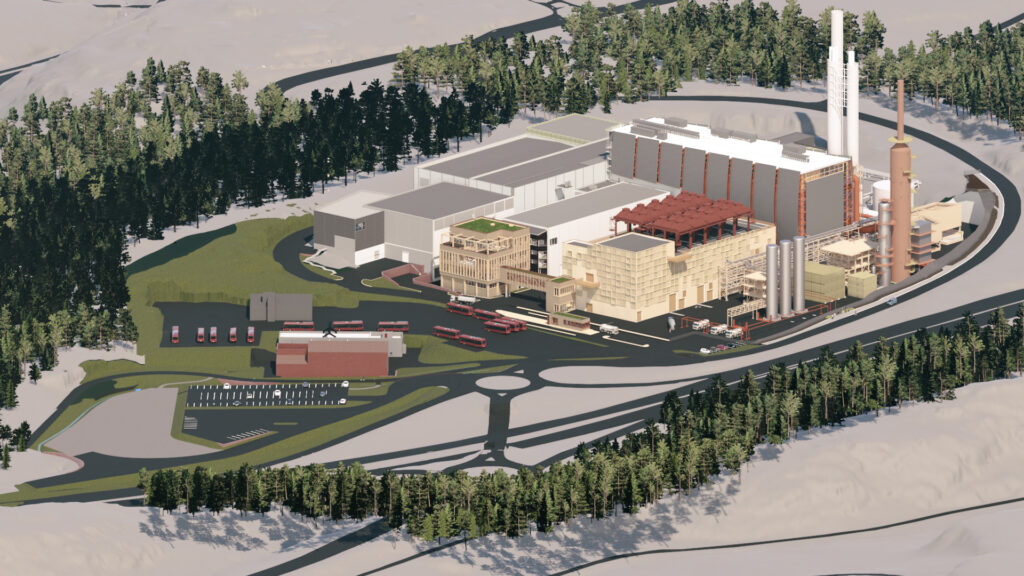
A new report from Oslo CCS summarizes experiences gained during the first year of constructing the CO2 capture facility – covering everything from project management and regulatory processes to technical solutions and collaboration.
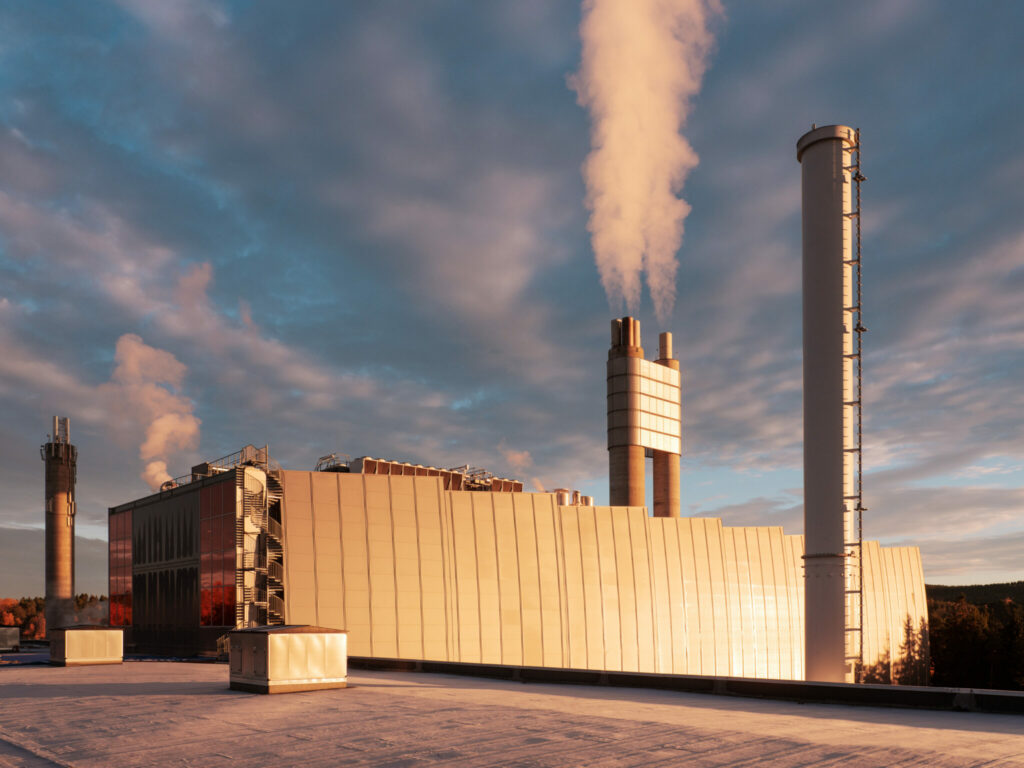
Hafslund Celsio (Oslo CCS) at Klemtesrud in Oslo.
Oslo CCS is part of Longship. It will capture approximately 350,000 tonnes of CO2 annually from the waste-to-energy plant at Klemetsrud. This corresponds to around 90 percent of the facility’s emissions. The project is described as one of the world’s first full-scale carbon capture facilities at a waste-to-energy plant.
By the end of 2025, the main contracts had been awarded, groundworks had commenced. At this point round 70 percent of the procurement packages had been formally allocated. The new experience report summarizes the period from February to December 2025. This is the first year following the investment decision made in January same year.
Early-Phase Work Highlighted as Critical
A recurring theme throughout the report is the importance of early-phase work and quality in the FEED phase. The project points out that many key cost and design decisions are, in practice, determined before the construction phase begins. Opportunity for major cost reductions becomes more limited once the project moves into construction and detailed engineering.
Oslo CCS therefore emphasizes the importance of allowing sufficient time in the FEED phase. This include early standardization of solutions, clear contract strategies, and early involvement of operations and maintenance teams. The project highlights several measures aimed at reducing complexity. This includes the use of standard products, more compact plant solutions, and increased prefabrication.
Oslo CCS describes regulatory processes as a central part of project execution
Regulatory Processes Required Extensive Coordination
The report describes regulatory processes as a central part of project execution. Several permits and approvals had to be managed in parallel. The project notes that processes were closely interconnected and required significant resources and coordination.
Among the key lessons highlighted are the importance of early dialogue with authorities. This implied close follow-up of application processes, and access to specialized expertise in technical safety and risk analysis.
The report specifically refers to work related to the DSB application. This include various exemptions linked to zoning regulations and building height restrictions at Klemetsrud.
Close interaction with the Brevik CCS and Northern Lights projects in Øygarden
Knowledge Transfer from Brevik and Northern Lights
Oslo CCS describes knowledge transfer as an important element of the project. In particular, the report highlights close interaction with the Brevik CCS and Northern Lights projects in Øygarden. The project team conducted site visits, meetings, and follow-up of technical solutions. All based on experiences from these facilities. Individuals with experience from other CCS projects have been involved both on the owner’s side and among the main contractors. This contributed to the early identification of challenges related to design maturity, interface management, construction, and execution strategy.
Risk Management and Collaboration at the Core
By the end of 2025, the project had identified and was actively managing around 150 risks. The report describes how the project established regular risk workshops. In addition, systematic follow-up of risk owners, and integration between risk, cost, and schedule management.
Also collaboration between Hafslund Celsio, contractors, and authorities is highlighted as important for progress. The EPCIC contract with the Joint Venture between Aker Solutions and SLB Capturi supported openness and cost awareness throughout the project.
Oslo CCS also notes that collaboration between different organizations required the gradual establishment of common routines, systems, and work processes during project execution. Finally, the report concludes that the experiences from Oslo CCS may be relevant for future large-scale CCS projects. Particularly projects that are to be integrated into existing industrial facilities or urban environments.
Gassnova: Future CCS Projects Could Be Less Expensive
The report “Potential for Cost Reductions in the CCS Value Chain” from Gassnova is based on valuable dialogue with industry stakeholders, and insights gained from the development of the Longship project. The overall analysis highlights how the CCS value chain could become both more affordable and more efficient in the future.
Longship demonstrates that CCS is safe and technically feasible, but first-generation projects are challenging and expensive. – This report identifies where the greatest cost-saving potential lies in the CCS value chain. The next step is to translate this knowledge into tangible improvements for the future, concludes project manager Ingrid Sørum Melaaen of Gassnova.
Longship as a Learning Arena
The Longship project demonstrates a full-scale value chain for carbon capture and storage, and includes Brevik CCS, Northern Lights, and Oslo CCS. The report focuses specifically on Brevik CCS and Northern Lights, while Oslo CCS is not included in the analysis.
– The report covers technological, economic, and regulatory lessons from the project’s first phase. The goal has been to identify cost-reduction drivers across the entire value chain – from capture to storage – so that future projects can be carried out faster and more cost-effectively. We emphasize that technology development, tailored regulations, and appropriate industrial practices are key areas to achieve this, says Ingrid Sørum Melaaen, who led the Gassnova project team that authored the report.
Costs in Longship
The original cost estimate for Longship was NOK 25.1 billion (2021 value), including ten years of operations, with the Norwegian government as the main financial contributor. In the realized Longship project, roughly two-thirds of the investments went into CO2 infrastructure.
– However, this picture changes under a hypothetical scale-up to 1.5 million tonnes of CO2 per year across the full value chain. In such a scenario, the capture facilities and integration with emission sources would account for up to 65 percent of the costs. This is precisely where the greatest potential for improvement lies, says Sørum Melaaen.
Traffic Light Analysis Highlights Weak Points
A central element of the report is a so-called “traffic light analysis.” This evaluates technology readiness, supplier markets, customer competence, contract models, regulations, industrial practices, and scaling effects across the entire value chain: integration, capture, transport, receiving terminal, and storage. Capture, compression, and interim storage receive the most “red lights.”
Adjusting Regulation and Practice
The report further points out that current regulations are largely based on offshore standards. This has led to unnecessary costs for land-based facilities, partly because the requirements are not adapted to CO2. Gassnova recommends that the regulatory framework be reviewed and adjusted to provide a more appropriate and cost-effective foundation. In addition, the report highlights that strengthening buyer competence and improving contract models, could result in substantial savings in future projects.